
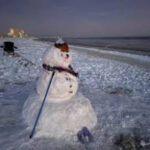
Florida Surf Fishing After a Long, Unusually Cold Period
Florida surf fishing normally benefits from relatively stable water temperatures, steady bait movement, and predictable seasonal fish migrations. When an unusually long cold period hits—multiple cold fronts, extended north winds, and water temperatures dropping well below average—the surf zone changes dramatically. Fish don’t disappear, but their behavior does, and anglers who fail to adjust often conclude the bite is “dead” when it’s simply different.
Understanding how cold affects bait, fish location, feeding windows, and tides is the key to unlocking consistent catches after a prolonged cold snap.
How Extended Cold Impacts the Surf Zone
Cold water slows everything down. Metabolism drops, forage becomes less active, and many species shift from aggressive feeding to short, opportunistic feeding windows. In Florida, sustained water temperatures below roughly 62–64°F push many game fish out of shallow, turbulent water and into slightly deeper or more stable zones.
Another major effect is bait displacement. Cold fronts with strong north and northeast winds often push surf bait offshore or wipe out fragile forage like glass minnows and small shrimp. What remains are tougher, bottom-oriented food sources such as sand fleas, clams, worms, and cut bait opportunities.
The result: fewer fish cruising the wash, but higher concentrations of fish sitting tight to structure, troughs, and depth changes.
Where the Fish Go After a Cold Snap
After extended cold weather, fish tend to favor:
- Deeper troughs close to shore, especially those with a defined drop-off
- Cuts and inlets where water exchange stabilizes the temperature
- Hard bottom areas that retain slightly warmer water
- Calm pockets behind sandbars where wave energy is reduced
Many anglers cast blindly into whitewater and wonder why nothing happens. In cold conditions, finding depth and current breaks matters more than covering distance.
Long casts are often less effective than precise placement into deeper water.
Bait Selection: Slow, Natural, and Scented
Bait choice becomes critical when fish are lethargic. Cold-stressed fish prefer easy, familiar meals that don’t require chasing.
Top Natural Baits After Cold Weather:
- Sand fleas (mole crabs): Still the gold standard when available. Larger fleas are particularly effective.
- Fresh shrimp: Cut shrimp often outproduces whole shrimp due to increased scent.
- Clams and mussels: Excellent for black drum, sheepshead, and pompano staging deep.
- Fishbites (sand flea or clam flavor): Extremely effective in cold water when combined with natural bait.
- Cut bait (mullet, whiting, or ladyfish): Best for redfish and larger predators holding deep.
Avoid fast-moving live baits unless water temperatures are rebounding quickly. Slow presentations win.
Rigging Adjustments for Cold Water
Cold surf conditions favor minimal, low-profile rigs:
- Short leaders (12–18 inches) reduce movement and keep bait in the strike zone
- Smaller hooks for finicky bites
- Sputnik sinkers help hold in heavy winter surf
- Double-drop rigs allow scent coverage without excessive movement
Pompano rigs still work, but downsizing floats and beads can make a noticeable difference. Subtlety matters more than flash when water temperatures are depressed.
Tides Matter More Than Ever
After a cold snap, tide timing often matters more than time of day.
Best Tide Phases:
- Last half of the incoming tide: Warmer offshore water pushes into the surf
- First two hours of outgoing tide: Concentrates bait and fish in troughs and cuts
Low tide can be productive if it exposes deep structure close to shore, but dead-low tides during cold conditions are often slow unless near an inlet.
Avoid fishing slack tide during extended cold periods—fish rarely move when the current stalls.
Time of Day: Midday Beats Dawn
This is where many anglers struggle to adapt. While early mornings shine in warm months, cold-weather surf fishing often flips the script.
Best Times After a Cold Snap:
- Late morning through mid-afternoon
- When the sun has had time to warm shallow water
- Especially on calm, sunny days after several cold nights
Dawn and dusk can still produce, but bites are usually shorter and less aggressive. If you can only fish for a few hours, choose the warmest part of the day.
Target Species and Expectations
After a prolonged cold, expect a shift in the catch mix:
- Whiting: Still active and reliable
- Black drum: Thrive in cold conditions, especially near clams and structure
- Sheepshead: Common around jetties and hard bottom
- Pompano: Present but deeper and more selective
- Redfish: Often larger individuals staging deep
Species like Spanish mackerel and bluefish usually disappear until water temperatures rebound consistently.
Reading the Beach After Cold Weather
Look for beaches that show:
- A defined trough within casting distance
- Cleaner water with less suspended sand
- Gentle, steady wave action rather than chaotic churn
- Nearby structure such as points, sandbar breaks, or jetties
Cold weather exaggerates the difference between a “good” beach and a dead one. Don’t be afraid to drive until you find the right setup.
Final Thoughts
Florida surf fishing after a long, unusually cold period requires patience, observation, and adjustment. Success comes from slowing down, fishing deeper, using natural baits, and timing tides rather than chasing sunrise bites. The fish are still there—they’re just conserving energy and feeding on their terms.
Anglers who adapt often find that cold-weather surf fishing can be quieter, more methodical, and surprisingly productive, with fewer crowds and a better shot at quality fish.
Sometimes, the toughest conditions produce the most satisfying catches.